
Photo-Bio-Modulation (PBM)
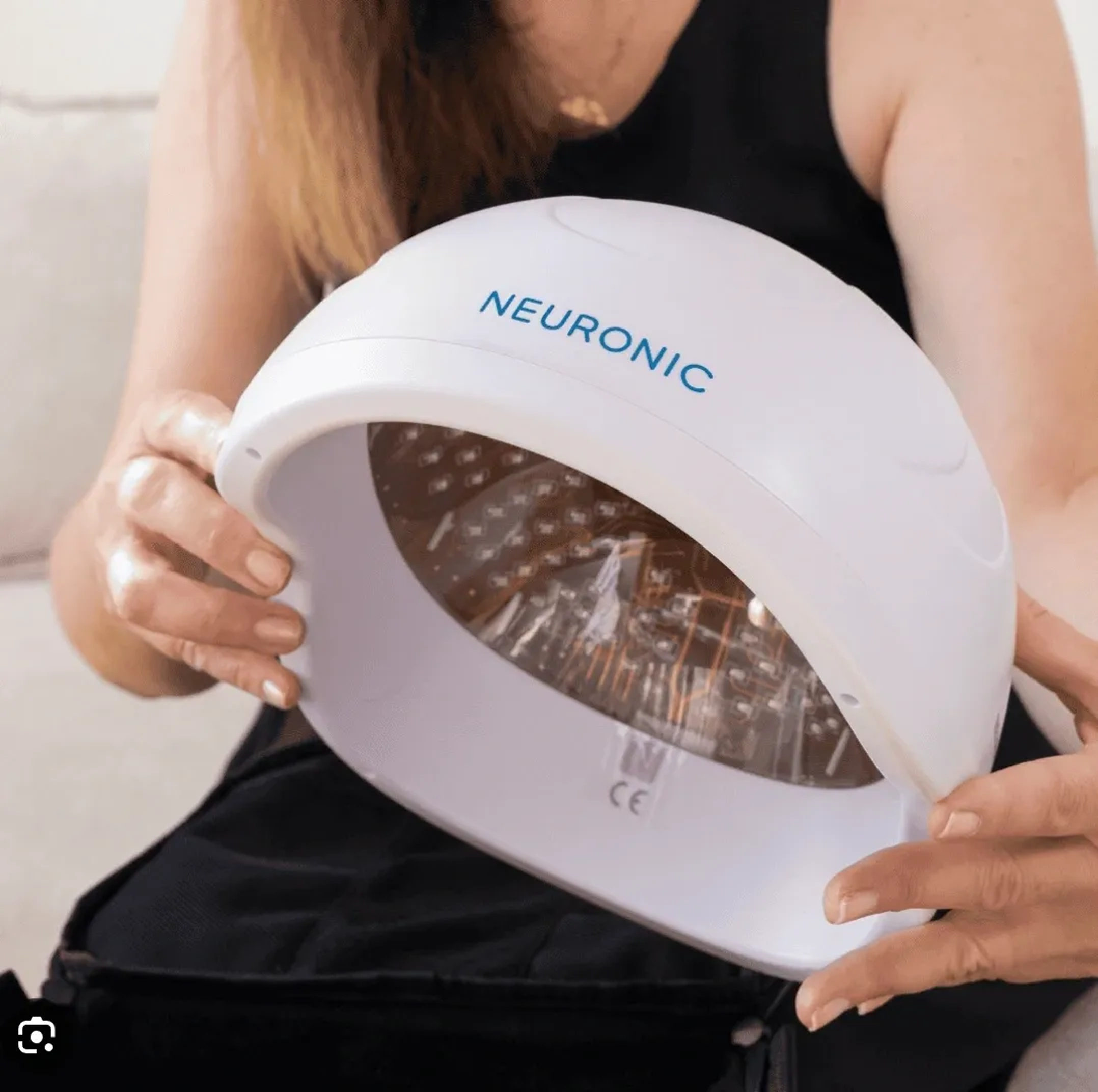
PhotoBioModulation (PBM) involves using low-level light, typically red or near-infrared (NIR), to stimulate cellular function. It works by delivering light to tissues, where it’s absorbed by chromophores like cytochrome c oxidase in the Mitochondria, boosting ATP production (Energy), reducing oxidative stress, and modulating inflammation. This can enhance tissue repair and cellular health.
In mental health, PBM is utilized, in conjunction with other treatment, for conditions like depression, anxiety, and cognitive decline. It’s applied via devices (a helmet) emitting light to the brain, often through the scalp in a process called transcranial PBM. The light may improve cerebral blood flow, enhance neurogenesis, and regulate neurotransmitter activity, potentially alleviating symptoms. The 1070 nm wavelength falls within this NIR spectrum, allowing it to reach deeper brain tissues.