
Blog Posts
The Gut-Mind Connection: How Nutrition Fuels Your Mental Health
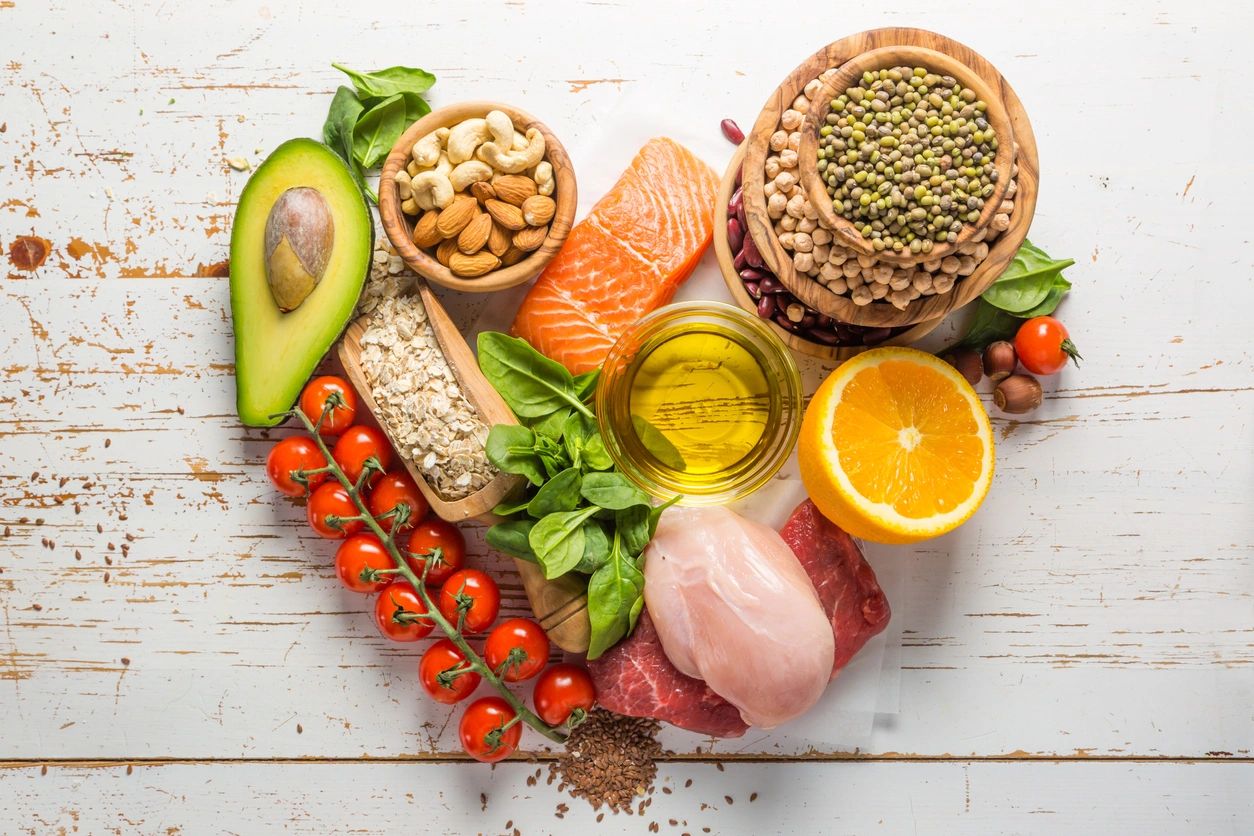
Hello everyone and welcome back! Today I want to briefly talk about Nutrition and its impact and direct correlation to our mental health. My youngest son is actively involved (and studying) Physical Health and Nutrition. Thus, we have the opportunity to talk and discuss various things regarding nutrition. He has begun to spread what he is learning and experiencing on social media including TikTok and Instagram. Having said that, allow me to bring into focus the importance of nutrition directly impacting our mental health.
When we think about mental health, our minds often jump to therapy, meditation, or exercise—and rightfully so. These are powerful tools. But there’s another player in the game that doesn’t always get the spotlight it deserves: Nutrition. Specifically, the food we eat and the health of our gut can have a profound impact on how we feel, think, and cope with life’s ups and downs. Let’s take a closer look into why gut health and nutrition are unsung heroes of mental well-being—and how you can harness their power to be the best version of yourself possible.
The Science of the Gut-Brain Axis
Your gut isn’t just a food processor—it’s a communication hub. Scientists call it the “gut-brain axis,” a two-way street where your digestive system and brain are constantly chatting. This connection is powered by the vagus nerve, hormones, and a bustling community of trillions of microbes in your gut, often dubbed your “microbiome.” These tiny residents do more than break down your lunch; they produce chemicals that influence your mood, like serotonin—your brain’s feel-good neurotransmitter. Fun fact: about 90% of your body’s serotonin is made in your gut, not your brain!
When your gut is happy—balanced, diverse, and well-fed—it sends positive signals upstairs. But when it’s out of whack (think inflammation, poor diet, or stress), it can throw your mental health off-kilter too. Studies have linked gut imbalances to anxiety, depression, and even brain fog. So, feeding your gut isn’t just about avoiding a stomachache—it’s about nurturing your mind.
Nutrition: The Building Blocks of a Healthy Mind
What you eat directly shapes your gut microbiome, and in turn, your mental state. A diet rich in whole, nutrient-dense foods can be a game-changer. Here’s why:
Fiber-rich foods (think veggies, fruits, whole grains, and legumes) feed beneficial gut bacteria, which produce short-chain fatty acids. These compounds reduce inflammation and support brain health.
Omega-3 fatty acids (found in fatty fish like salmon, walnuts, and flaxseeds) are brain superfoods. They help build cell membranes in your brain and have been shown to lower symptoms of depression.
Fermented foods (yogurt, kefir, kimchi, sauerkraut) deliver probiotics—live bacteria that boost gut diversity and resilience, potentially easing anxiety and stress.
Antioxidants (berries, dark chocolate, leafy greens) protect your brain from oxidative stress, which can worsen mood disorders if left unchecked.
On the flip side, a diet heavy in processed foods, sugar, and artificial additives can stir up trouble. These culprits can inflame your gut, disrupt your microbiome, and leave you feeling sluggish or irritable. Remember, the body HATES inflammation! Ever notice how a junk-food binge can tank your mood the next day? That’s your gut-brain axis waving a red flag.
Small Steps, Big Impact
You don’t need to overhaul your life overnight to see benefits. Start small:
1. Swap out a sugary snack for a handful of nuts or a piece of fruit.
2. Add a serving of veggies to your dinner plate—bonus points if they’re colorful.
3. Try a probiotic-rich food like yogurt once a week and see how you feel.
4. Stay hydrated—water keeps your gut moving and your brain sharp.
5. I use an App called Cronometer. This is a very simple App that allows me to quickly track my dietary intake. It helps me to be accountable to myself and bring into greater awareness how I am actually fueling my body.
Consistency matters more than perfection. Over time, these tweaks can shift your gut microbiome, steady your mood, and even sharpen your focus.
The Bigger Picture
Nutrition isn’t a magic cure for mental health struggles—conditions like depression, anxiety or ADHD often need a multi-pronged approach. But it’s a piece of the puzzle that’s within your control. A well-nourished gut can amplify the effects of therapy, medication, or mindfulness, giving you a stronger foundation to stand on.
So, next time you’re at the grocery store or planning a meal, think of it as an investment in your mind. Your gut’s got your back—feed it well, and it’ll return the favor.
Until next time,
Aaron Nicolaides, PhD, LCSW
Therapeuo Health – “Tackling physical and emotional pain”